
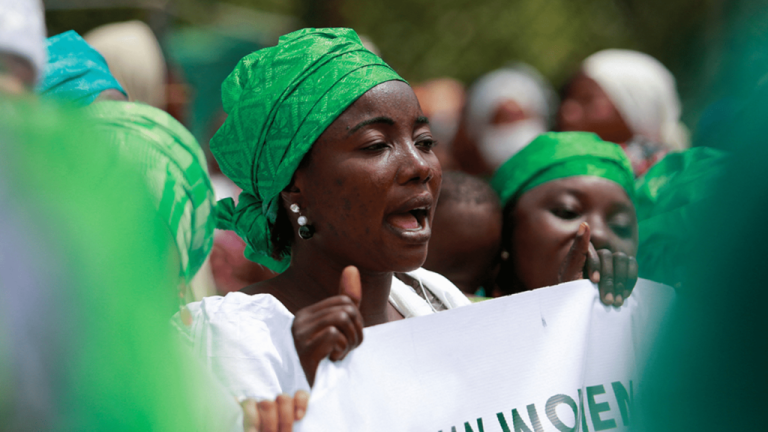
Bridging The Gap: Women Voters, Technology, and Challenges of Electoral Participation in Nigeria
Nigeria’s 2023 General Elections marked a turning point in the nation’s democratic evolution not only because of their scale, but because they were the most technologically advanced in the country’s history. Yet, beneath the innovations and new tools, the data tells a sobering story: women, who make up nearly half of Nigeria’s electorate, remain underrepresented in actual voter participation.
Women’s Participation: Numbers Behind the Ballot

According to the INEC 2023 General Election Report, out of the 93.4 million registered voters, women constituted 47.52% (44,414,846). However, their share decreased at subsequent stages:
Accredited voters: 46.74% female (22,837,841)
Votes cast: 46.48% female (11,472,519)
While the gender gap might appear narrow numerically, its implications are profound. Women’s participation not only fell behind that of men but also declined proportionally from registration to actual voting reflecting persistent barriers that go beyond voter lists.
The Barriers Women Face
Women in Nigeria continue to encounter structural and societal barriers to political engagement. The 2023 elections exposed these limitations across several fronts:
Security and Mobility Concerns
Insecurity, especially in the North and Southeast, disproportionately affected women. Fear of violence, harassment, or unrest discouraged many from leaving home to vote. Additionally, fuel scarcity and cash shortages during the election period further limited women’s ability to travel to polling stations, particularly in rural and pre-urban areas where transportation is costly or unavailable.
Socio-Cultural and Economic Constraints
Deep-rooted gender norms often restrict women’s political participation. In some communities, male household heads still influence how women vote or whether they vote at all. Economic pressures and domestic responsibilities also leave many women with little time or resources to engage in civic activities.
Digital and Information Gaps
Although INEC leveraged technology through the BVAS, IReV, and IVED systems, many women lacked the digital literacy and access needed to benefit from these innovations. In urban centers, women engaged online but rural and low-income women were often excluded from digital platforms that shared election information and updates.
Mistrust in Electoral Systems
The 2023 elections saw unprecedented use of digital tools to enhance transparency, yet public skepticism persisted. When technical glitches delayed result uploads on the IReV portal, misinformation spread rapidly reinforcing existing mistrust. For many women who already felt marginalized from political discourse, these uncertainties only deepened disengagement.
Technology: Promise and Pitfalls
- BVAS ensured biometric verification and reduced impersonation.
- IReV Portal allowed real-time result uploads for public viewing.
- EMSC dashboards enabled real-time election monitoring.
- INEC e-School and Training Bot supported hybrid training for election officials.
These technologies achieved 98% biometric accreditation success, demonstrating strong potential for future elections. Yet, their benefits were unevenly distributed. Urban voters often more tech-savvy had easier access to updates and verification platforms. Many rural women, however, lacked smart phones, internet access, or the confidence to navigate these tools.
This digital divide highlights a paradox: while technology can democratize participation, it can also reinforce exclusion if access and literacy gaps are not addressed.
Closing the Gender Gap: Pathways to Inclusion
To make future elections more inclusive, particularly for women, Nigeria must pursue a dual strategy strengthening both technological accessibility and gender-sensitive civic engagement.
Expand Digital Literacy and Access
Civic organizations, NGOs, and INEC should collaborate to design women-focused digital literacy programs particularly targeting rural communities. Mobile-friendly civic apps, voice-based voter guides, and local-language tutorials can make election technology more inclusive.
Enhance Security and Mobility for Women Voters
Election-day security should prioritize the safety of women and vulnerable groups. Community policing, women’s safety task forces, and designated transport assistance in rural areas could significantly improve turnout.
Promote Gender-Responsive Electoral Education
Programs such as INEC’s Youth Votes Count could be adapted into Women Votes Count campaigns combining offline community outreach with online engagement. Tailored campaigns can empower women to see voting as both a right and a shared responsibility.
Leverage Civic-Tech Platforms
Platforms like LocalPolz and other civic engagement apps could integrate gender participation data, gamified awareness tools, and peer education networks. This would help translate online engagement into real-world action.
Build Trust Through Transparency and Communication
INEC’s technological gains must be matched by clear, real-time communication with the public. Transparency isn’t just about data availability it’s about credibility and consistency.
Conclusion
The 2023 General Elections marked a digital leap for Nigeria’s democracy. Yet, the journey toward true inclusiveness remains unfinished. Women who form nearly half the electorate continue to face barriers that technology alone cannot erase.
Closing the participation gap will require intentional policy, gender-responsive innovation, and grassroots engagement that empowers women not just as voters, but as active custodians of Nigeria’s democracy.
If technology is the engine of electoral modernization, then women’s inclusion is its moral compass ensuring that progress is not just measured by data, but by dignity and equal voice at the ballot box.